- FIBER OPTIC TRANSCEIVERS >800G & 400G Transceivers >400G QSFP-DD DCO ZR
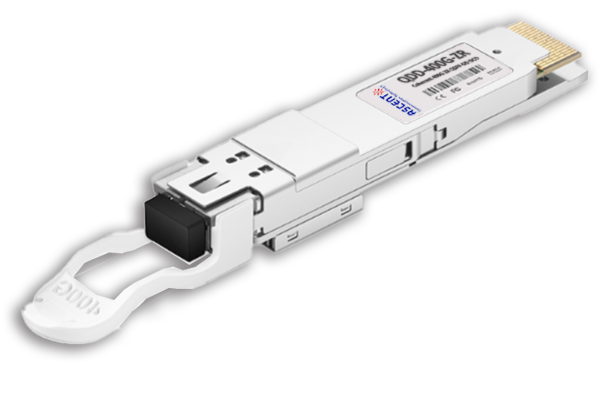
400G QSFP-DD DCO ZR
The ACT QDD-400G-ZR Series is a high-performance coherent optical transceiver designed for 400GbE data center interconnect (DCI), metro transport, and high-capacity backbone networks. Utilizing advanced coherent DSP technology and tunable C-band DWDM optics, the module enables transmission distances of up to 120 km without inline chromatic dispersion compensation, providing a compact and cost-effective solution for next-generation optical transport networks. The transceiver integrates a state-of-the-art 7 nm coherent DSP, ultra-narrow linewidth tunable lasers, high-speed modulators, and coherent receivers to deliver exceptional optical performance with 400G DP-16QAM modulation. Supporting both 400GbE and 4×100GbE client interfaces, the module offers flexible deployment across data center, carrier, and enterprise networks while reducing operational complexity and power consumption. Compliant with the QSFP-DD MSA and OIF 400ZR specifications, the QDD-400G-ZR supports comprehensive digital diagnostics, hot-pluggable operation, and seamless integration into modern switching and routing platforms. Its compact form factor, low power consumption, and Juniper-compatible option make it an ideal solution for DCI, metro, and cloud network applications.
· QSFP-DD MSA compliant type 2B package
· Up to 120km transmission distance
· Client signal 400GbE or 4x100GbE
· Line Modulation format 400G DP-16QAM
· C-band tunable, supports 100/75GHz grid spacing, support 0.1GHz fine turning
· TX power -13dBm to -9dBm tunable
· Support ingress LF hold-off time configure
· Support hitless firmware upgrade
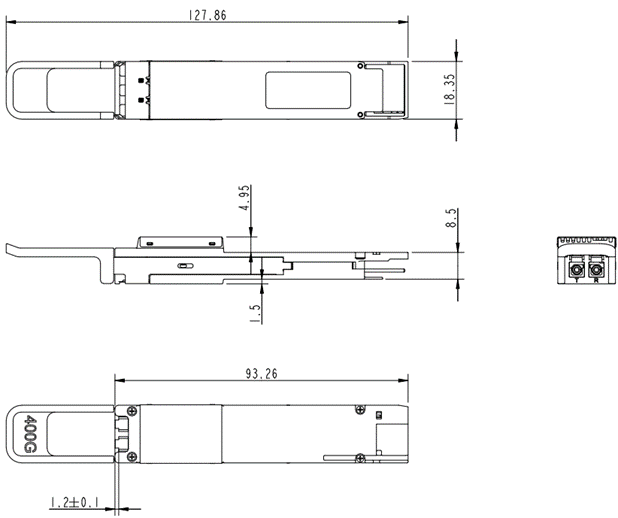
· Compact size (18.35 mm x 93.26 mm x 8.50 mm)
· Duplex LC Receptacle
· Operating case temperature: 0°C to 75°C
· Maximum power consumption 18W (400GbE)
· Single 3.3 V power supply
· RoHS 2 compliant
Absolute Maximum Ratings
Parameter | Symbol | Min. | Typ. | Max. | Unit | Note | |
Storage Temperature | Ts | -40 | 85 | °C | |||
Power Supply | Vcc | -0.3 | 3.3 | 3.6 | V | Not damaged | |
Relative Humidity | RH | 5 | 85 | % | Non-condensing | ||
Receiver Damage Threshold | PRdmg | 10 | dBm | Total optical power | |||
ESD Sensitivity | 1000 | V | |||||
Recommended Operating Conditions
Parameter | Symbol | Min. | Typ. | Max. | Unit | Note | ||
Operating Case Temperature | Tc | 0 | 75 | °C | ||||
Power Supply Voltage | Vcc | 3.135 | 3.3 | 3.465 | V | |||
Icc | 6.1 | A | 1 | |||||
Maximum Sustained Peak Current(<500ms) | 6.3 | A | ||||||
Maximum Instantaneous Peak Current(<50us) | 7.6 | A | ||||||
Electro-Static Discharge | ESD | 1000 | V | |||||
Power Consumption | PD | 18 | W | 1 | ||||
Relative Humidity | RH | 15 | 85 | % | ||||
Client Mode | 1 x 400GAUI-8 (OIF-400ZR-02.0) | |||||||
4 x 100GAUI-2 | ||||||||
Transmission Distance | 80 | 120 | Km | 30 to 40Km unamplified P2P link | ||||
Power Supply Noise | Vrip | 1% | DC-1MHz | |||||
2% | 1-10MHz | |||||||
Optical Electrical Characteristic
Tested under recommended operating conditions, unless otherwise noted
Parameters | Min. | Typ. | Max. | Unit | Note |
Format | ZR400-CFEC-16QAM | CFEC FEC, NCG 10.8dB SFF-8024 Media ID 3Eh/3Fh | |||
Baud Rate | 59.843750000±20ppm | ||||
Transmitter Frequency Range | 191.3
| 196.1
| THz
| OIF 400ZR app code 0x01/03 | |
193.7 | THz | OIF 400ZR app code 0x02, fixed wavelength | |||
Flexible DWDM Grid | 3.125 | GHz | OIF 400ZR app code 0x01/03 | ||
Frequency Fine Tuning Range | -5 | 5 | GHz | bright tuning, OIF 400ZRapp code 0x01/03 | |
Frequency Fine Tuning Step | 0.1 | GHz | OIF 400ZR app code 0x01/03 | ||
Laser Frequency Accuracy | -1.8 | 1.8 | GHz | ||
TX Spectral Upper Mask | (30.0, 0.0) (37.0,-10.0) (39.2,-15.0) (40.4,-20.0) | (GHz,dB) | Refer to OIF-400ZR-02.0 13.3.201a | ||
TX Spectral Lower Mask | (30.0,-9.0) (31.3,-20.0) (31.3,-35.0) | (GHz,dB) | Refer to OIF-400ZR-02.0 13.3.201b | ||
Transmitter Laser Disable Time | 100 | ms | |||
Transmitter Wavelength Wwitching Time | 60 | s | |||
Transmitter Laser Enable Time | 10 | s | |||
Tx Output Power(at Program Output Power Max) | -10 | -6 | dBm | At Programmed Output Power Max, transmit output power over wavelength, temperature, and aging. 0x01/03–400ZR,DWDM amplified | |
-9 | -6 | dBm | 193.7THz, 0x02–400ZR,Single wavelength, unamplified | ||
Transmit Output Power Adjustable Range | -13 | -9 | dBm | The absolute accuracy is ±1dB OIF 400ZR app code 0x01/03 | |
Transmit Output Power Adjust Step | 0.1 | dB | OIF 400ZR app code 0x01/03 | ||
Optical Power Setting Accuracy | -1 | 1 | dB | Diff between setting and reporting | |
Output Power Monitor Accuracy | -1 | 1 | dB | ||
Power Stability | 0.5 | -0.5 | At fixed wavelength, room temp | ||
1 | -1 | At fixed wavelength, environment temp | |||
Total Output Power with Tx Disabled | -20 | ||||
Total Output Power During Wavelength Switching | -20 | ||||
Transmitter Reflectance | -20 | Looking into the Tx | |||
Inband (IB) OSNR | 40 | ||||
Out-of-Band (OOB) OSNR | 35 | ||||
Lorentzian Linewidth | 300 | Tx and LO | |||
Relative Intensity Noise | -140 | ||||
Mean I-Q Amplitude Imbalance | 1 | ||||
Transmitter Polarization Dependent Power | 1.5 | ||||
DC I-Q Offset (Mean per Polarization) | -26 | ||||
I-Q Instantaneous Offset | -20 | ||||
Receiver Operating Characteristic-Optical
Parameter | Min. | Typ. | Max. | Unit | Note |
Modulation Format | ZR400-CFEC-16QAM | CFEC FEC, Net Coding Gain(NCG) 10.8dB | |||
Baud Rate | 59.843750000±20ppm | ||||
Frequency Offset between Received Carrier and LO | -3.6 | +3.6 | GHz | ||
Input Power Range
| -12
| 0
| dBm
| Signal power of the channel for the 26dB OSNR tolerance 0x01–400ZR,DWDM amplified | |
-20
| 0
| dBm
| 193.7THz,0x02– 400ZR,Single wavelength, unamplified | ||
OSNR Tolerance | 26 | dB/0.1nm | Measured back-to-back with short optical channel | ||
RX Sensitivity | -20 | dBm | Inband (IB) OSNR≥34dB | ||
Non-Damaging Input Power | 10 | dBm | Total power | ||
Optical Input Power Monitor Accuracy | -2 | 2 | dB | ||
MAX Pre-FEC BER | 0.01 | 0.0125 | |||
Chromatic Dispersion Tolerance | 2400 | ps/nm | OSNR penalty < 0.5dB, when change in SOP is < 1 rad/ms. | ||
CD Monitor Accuracy | -200 | 200 | ps/nm | ||
Average PMD (DGD) Tolerance | 10(33) | ps | OSNR penalty<0.5dB | ||
DGD Monitor Accuracy | -15 | 15 | ps | 0~40ps | |
Peak PDL Tolerance | 3.5 | dB | Tolerance to peak PDL with < 1.8 dB penalty to OSNR tolerance (13.3.330) when change in SOP is < =1 rad/ms. Test configuration: PDL emulator applied before noise loading. | ||
Tolerance to Change in SOP | 50 | krad/s | With<0.5 dB OSNR penalty | ||
Optical Return Loss | 20 | dB | Optical reflectance at Rx connector input. | ||
Optical Rx_LOS Assert Threshold | -28 | -26 | -24 | dBm | OIF 400ZR app code 0x01, 0x02, 0x03 |
Optical Rx_LOS Hysteresis | 1 | 1.5 | 2.5 | dB | |
Optical Input Power Transient Tolerance | -2 | 2 | dB | Tolerance to change in input power with < 0.5 dB penalty to OSNR tolerance. The 20% to 80% rise/fall times for the input power change shall be no faster than 50 µs. | |
Service Recovery Time | 40 | ms | |||
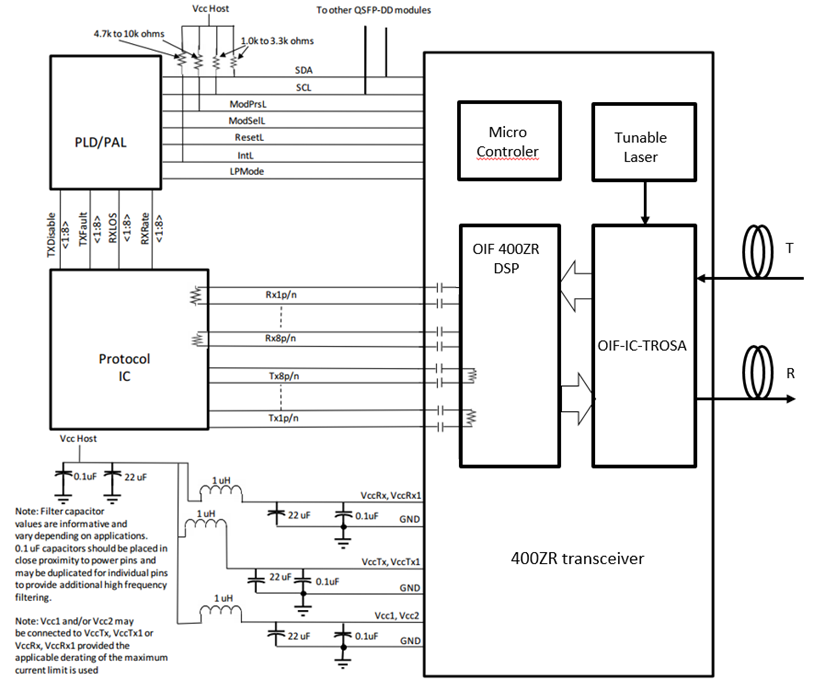
Note: The transmitter and receiver comply with the 400GAUI-8 C2M and CEI-56G-VSR-PAM4 electrical specification, electrical interface definitions refer to IEEE Std 802.3-2018 Annex 120E. The data lines are AC-coupled and terminated in the module per the following figure from the QSFP-DD MSA.
Parameter | Symbol | Min | Max | Unit | Note |
400GAUI-8 C2M Electrical Characteristics | |||||
Transmitter(Module Output) | |||||
Signaling Rate, each Lane | 26.5625 ± 100 ppm | GBd | PAM-4 | ||
AC Common-Mode Output Voltage (RMS) | RMS | 17.5 | mV | ||
Differential Voltage Pk-Pk | Vin, pp | 750 | 900 | mV | |
Near-End ESMW (Eye Symmetry Mask Width) | 0.265 | UI | |||
Near-End Eye Height,Differential | 70 | mV | |||
Far-End ESMW | 0.2 | UI | |||
Far-End Eye Height,Differential | 30 | mV | |||
Far-End Pre-Cursor ISI Ratio | -4.5 | 2.5 | % | ||
Differential Output Return Loss | Equation (83E-2) | IEEE Std 802.3-2018 Annex 120E | |||
Common to Differential Mode Conversion Return Loss | Equation (83E-3) | IEEE Std 802.3-2018 Annex 120E | |||
Differential Termination Mismatch | - | 10 | % | At 1 MHz | |
Transition Time(20% to 80%) | Trise/Tfall | 9.5 | Ps | 20% to 80% | |
DC Common Mode Voltage | Vcm | -350 | 2850 | mV | |
Receiver (Module Input) | |||||
Signaling Rate per Lane | 26.5625 ± 100 ppm | GBd | PAM-4 | ||
Differential Pk-Pk Input Voltage Tolerance | Vout, pp | 900 | mV | ||
Differential Input Return Loss (Min) | Equation (83E–5) | IEEE Std 802.3-2018 Annex 120E | |||
Differential to Common-Mode Input Return Loss (Min) | Equation (83E–6) | IEEE Std 802.3-2018 Annex 120E | |||
Differential Termination Mismatch | 10 | % | |||
Module Stressed Input Test | See 120E.3.4.1 | IEEE Std 802.3-2018 Annex 120E | |||
Single-Ended Voltage Tolerance Range (Min) | -0.4 | 3.3 | V | ||
DC Common Mode Voltage(Min) | -350 | 2850 | mV | ||
Operating Characteristic-Electrical Low Speed
Parameter | Symbol | Min | Max | Unit | Note |
SCL and SDA | VOL | 0.4 | V | 0 | IOL(max)=3mA for fast mode, 20ma for Fast-mode plus |
VOH | Vcc+0.3 | V | Vcc-0.5 | ||
SCL and SDA | VIL | Vcc*0.3 | V | -0.3 | |
VIH | Vcc+0.5 | V | Vcc*0.7 | ||
Capacitance for SCL and SDA I/O Signal | Ci | 14 | pF | ||
Total Bus Capacitive Load for SCL and SDA
| Cb
| 100 | pF | For 400kHz clock rate, use 3.0 k Ohms Pull up resistor max. For 1000kHz clock rate, refer to Figure 45 (QSFP-DD-Hardware-rev5p0) | |
200
| pF
| For 400kHz clock rate, use 1.6 k Ohms pull up resistor max. For 1000kHz clock rate, refer to Figure 45 (QSFP-DD-Hardware-rev5p0) | |||
InitMode, ResetL and ModSelL IntL | VIL | 0.8 | V | -0.3 | |
VIH | VCC+0.3 | V | 2 | ||
|Iin| | 360 | uA | 0V<Vin<Vcc | ||
VOL | 0.4 | V | 0 | IOL=2.0mA | |
VOH | VCC+0.3 | V | VCC-0.5 | 10k ohms pull up to Host Vcc | |
ModPrsL | VOL | 0.4 | V | 0 | IOL=2.0mA |
VOH | ModPrsL can be implemented as a short-circuit to GND on the module |
Control and Status I/O Timing Characteristics
Parameter | Symbol | Min | Max | Unit | Note |
MgmtInit Duration | Max MgmtInit | 2000 | ms | 1 | |
ResetL Assert Time | t_reset_init | 10 | us | 2 | |
IntL Assert Time | ton_IntL | 200 | ms | 3 | |
IntL Deassert Time | toff_IntL | 500 | us | 4 | |
Rx LOS Assert Time | ton_los | 100 | ms | 5 | |
Rx LOS Assert Time (Optional Fast Mode) | ton_losf | 10 | ms | 6 | |
Rx LOS Deassert Time | toff_los | 100 | ms | ||
Tx Fault Assert Time | ton_Txfault | 200 | ms | 7 | |
Flag Assert Time | ton_flag | 200 | ms | 8 | |
Mask Assert Time | ton_mask | 100 | ms | 9 | |
Mask Deassert Time | toff_mask | 100 | ms | 10 | |
High Power Up State | 180 | s | |||
Software TX Disable Assert Time | 100 | ms | |||
Software TX Disable De-Assert Time | 10 | s |
Notes
1. Time from power on, hot plug or rising edge of reset until completion of the MgmtInit State.
2. Minimum pulse time on the ResetL signal to initiate a module reset.
3. Time from occurrence of condition triggering IntL until Vout:IntL=Vol.
4. Time from clear on read operation of associated flag until Vout:IntL=Voh. This includes deassert times for Rx
LOS,Tx Fault and other flag bits.
5. Time from Rx LOS condition present to Rx LOS bit set (value = 1b) and IntL asserted.
6. Time from Rx LOS state to Rx LOS bit set (value = 1b) and IntL asserted.
7. Time from Tx Fault state to Tx Fault bit set (value=1b) and IntL asserted.
8. Time from occurrence of condition triggering flag to associated flag bit set (value=1b) and IntL asserted.
9. Time from mask bit set (value=1b) until associated IntL assertion is inhibited.
10. Time from mask bit cleared (value=0b) until associated IntL operation resumes.
IIC 2-Wire Characterisitcs
Parameter | Symbol | Fast Mode (400 KHz) | Fast Mode Plus(1 MHz) | Unit | Conditions | ||
Min | Max | Min | Max | ||||
Clock Frequency | fSCL | 0 | 400 | 0 | 1000 | KHz | |
Clock Pulse Width Low | tLOW | 1.3 | 0.5 | µs | |||
Clock Pulse Width High | tHIGH | 0.6 | 0.26 | µs | |||
Time Bus Free before New Transmission Can Start | tBUF | 20 | 1 | µs | Between STOP and START and between ACK and ReStart | ||
START Hold Time | tHD.STA | 0.6 | 0.26 | µs | The delay required between SDA becoming low and SCL starting to go low in a START | ||
START Setup Time | tSU.STA | 0.6 | 0.26 | µs | The delay required between SCL becoming high and SDA starting to go low in a START | ||
Data In Hold Time | tHD.DAT | 0 | 0 | µs | |||
Data In Setup Time | tSU.DAT | 0.1 | 0.1 | µs | |||
Input Rise Time | tR | 300 | 120 | ns | From (VIL,MAX=0.3*Vcc) to (VIH, MIN=0.7*Vcc) | ||
Input Fall Time | tF | 300 | 120 | ns | From (VIH,MIN=0.7*Vcc) to (VIL,MAX=0.3*Vcc) | ||
STOP Setup Time | tSU.STO | 0.6 | 0.6 | us | |||
STOP Hold Time | tHD.STO | 0.6 | 0.26 | us | |||
Aborted Sequence-Bus Release | Deselect_Abort | 2 | 2 | ms | Delay from a host de-asserting ModSelL (at any point in a bus sequence) to the QSFP-DD module releasing SCL and SDA | ||
ModSelL Setup Time1 | tSU.ModSelL | 2 | 2 | ms | ModSelL Setup Time is the setup time on the select lines before the start of a host initiated serial bus sequence | ||
ModSelL Hold Time1 | tHD.ModSelL | 2 | 2 | ms | ModSelL Hold Time is the delay from completion of a serial bus sequence to changes of module Select status | ||
Serial Interface Clock Holdoff “Clock Stretching” | T_clock_hold | 500 | 500 | us | Maximum time the QSFP-DD module may hold the SCL line low before continuing with a read or write operation | ||
Complete Single Sequential Write | tWR | 40 | 40 | ms | Complete (up to) 4 Byte Write | ||
Endurance (Write Cycles) | 50K | 50K | cycles | Module Case Temperature = 75°C | |||
Note: When the host has determined that module is QSFP-DD, the management registers can be read to determine alternate supported ModSelL set up and hold times.
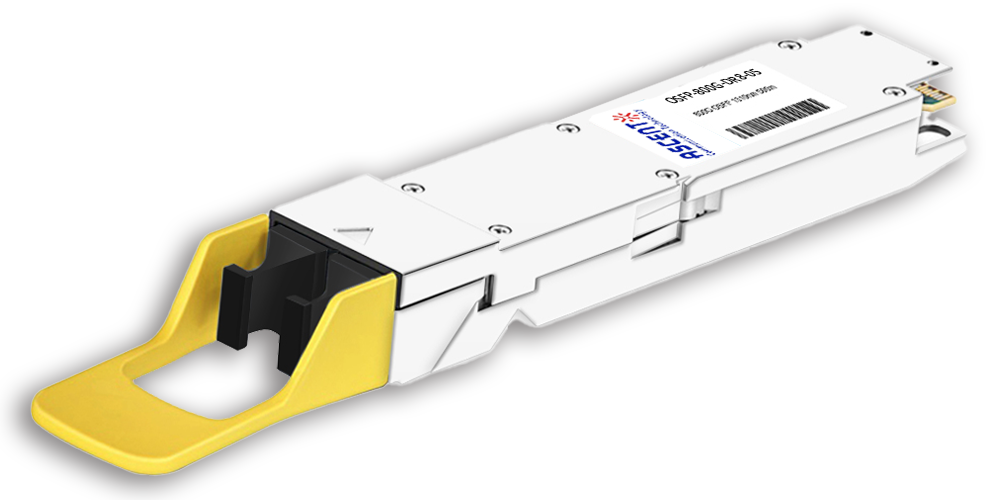
800G OSFP DR8 1310 nm 500 m
800 Gb/s DR8 OSFP 500m Optical Transceiver
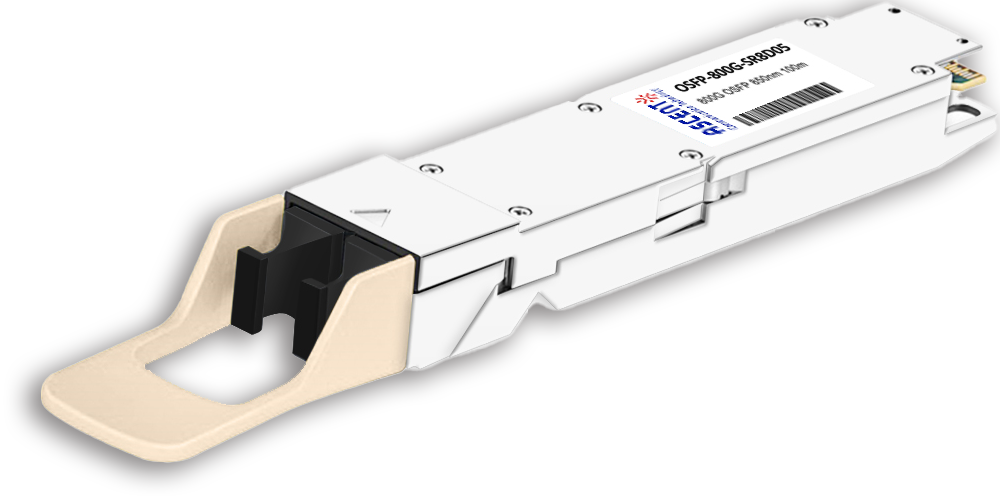
800G OSFP SR8 850 nm 100 m
OSFP-800G-SR8D-01 800 Gb/s OSFP SR8 850 nm 100 m Transceiver
400G QSFP56-DD 10km
400G QSFP-DD 4X100G LR1 Optical Transceiver
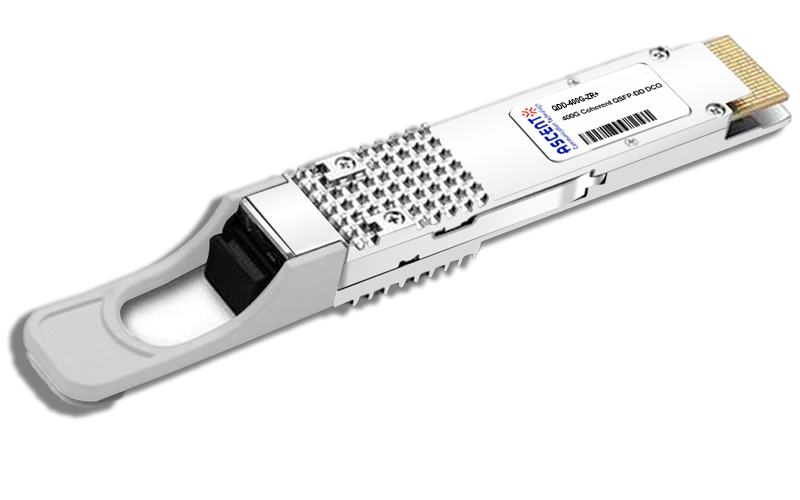
400G QSFP-DD ZR+
QSFP-DD-ZR-80 400 Gb/s QSFP-DD 80 km Transceiver
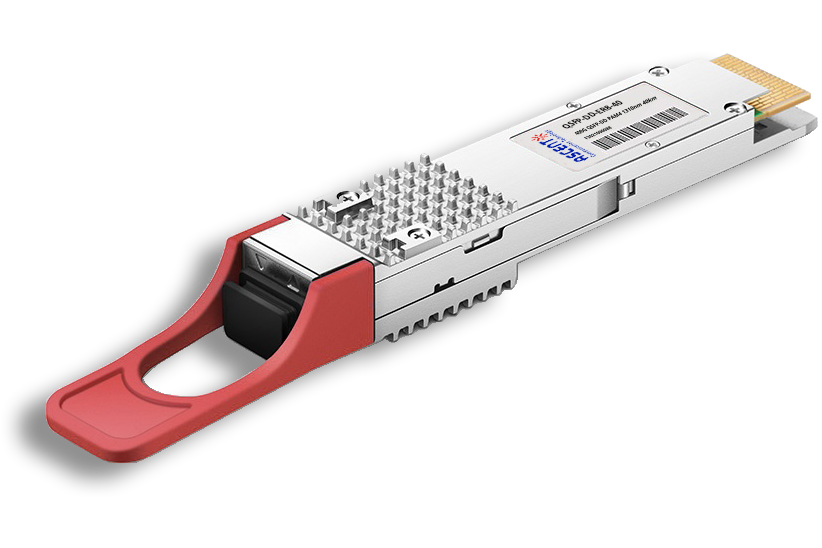
400G QSFP-DD ER8 40 km
QSFP-DD-ER8-40 400 Gb/s QSFP-DD 40 km Transceiver
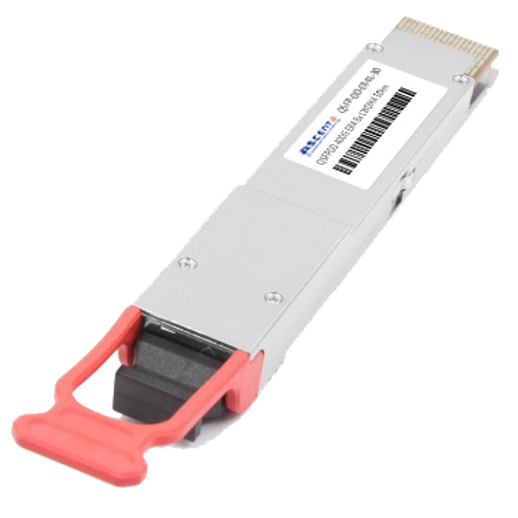
400G QSFP-DD 30 km
400 Gb/s QSFP-DD 30 km Transceiver
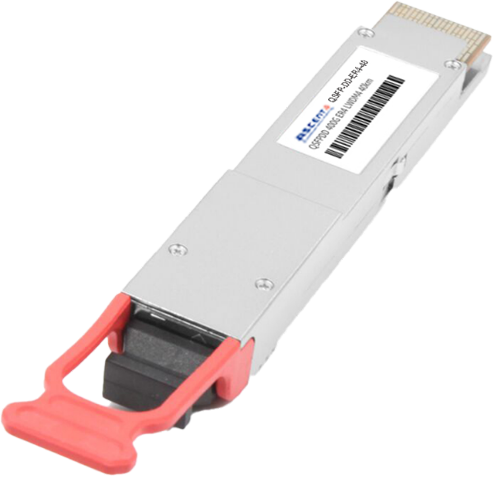
400G QSFP-DD 40 km
400 Gb/s QSFP-DD 40 km Transceiver
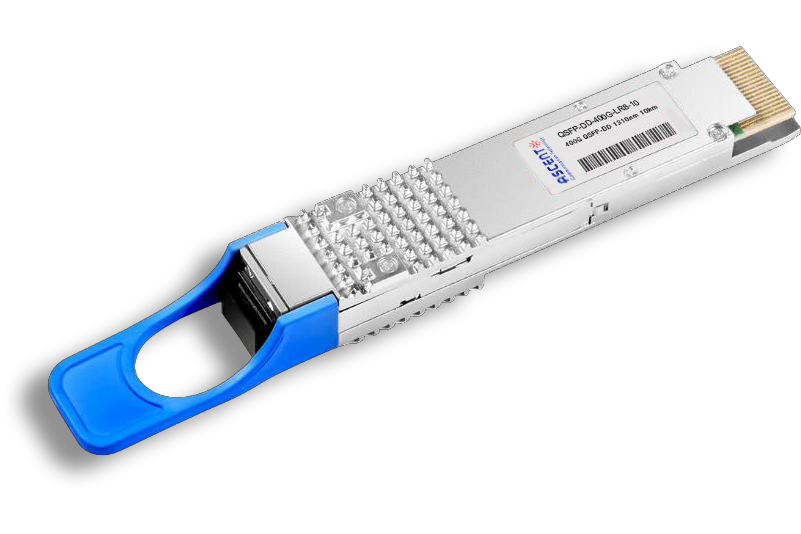
400G QSFP-DD LR8 1310 nm 10 km
QSFP-DD-LR8-10 400 Gb/s QSFP-DD LR8 10 km Transceiver

400G QSFP-DD LR4 CWDM 10 km
QSFP-DD-LR4-10 400 Gb/s QSFP-DD LR4 CWDM 10 km Transceiver
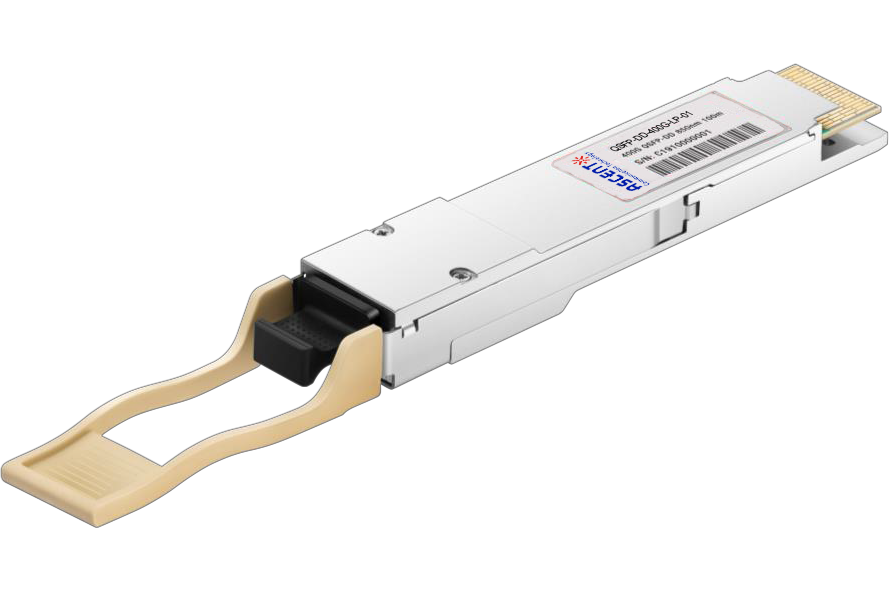
400G QSFP-DD SR8 850 nm 100 m
QSFP-DD-LP-01 400 Gb/s QSFP-DD SR8 100 m Transceiver
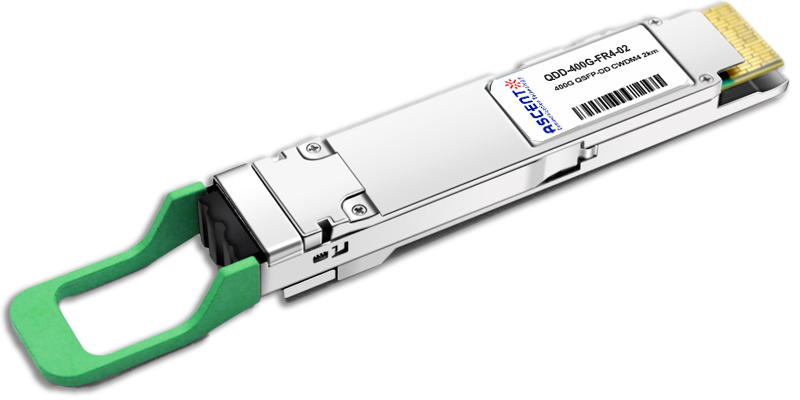
400G QSFP-DD FR4 2km
400 Gb/s QSFP-DD FR4 2 km DDM Transceiver
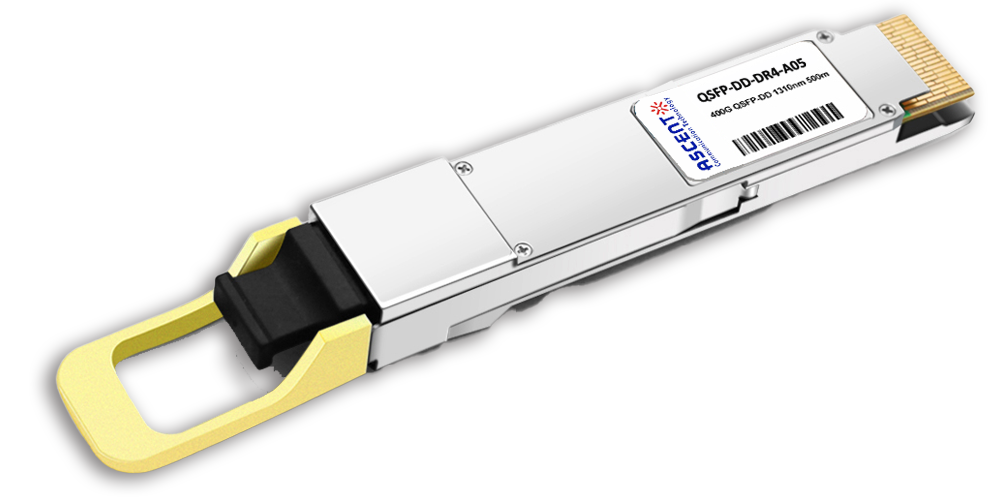
400G QSFP-DD DR4 500m
400 Gb/s QSFP-DD DR4 500m Transceiver
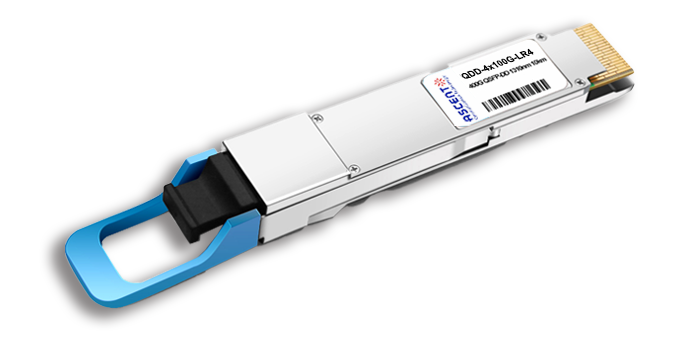
4X100G QSFP-DD LR4 10km
QDD 4x100G 1310nm LR 10 km Transceiver
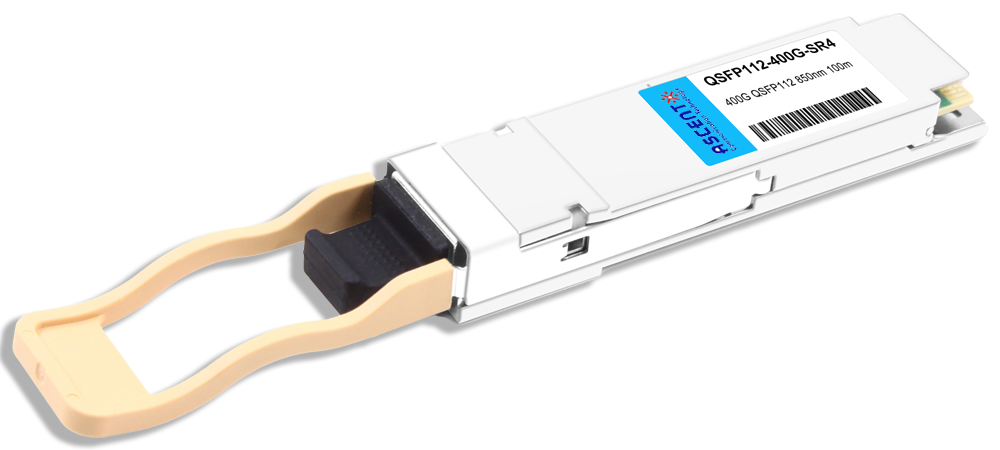
400G QSFP112 SR4 850 nm 100 m
QSFP112-400G-SR4-01 400 Gb/s QSFP112 SR4 850 nm 100 m Transceiver
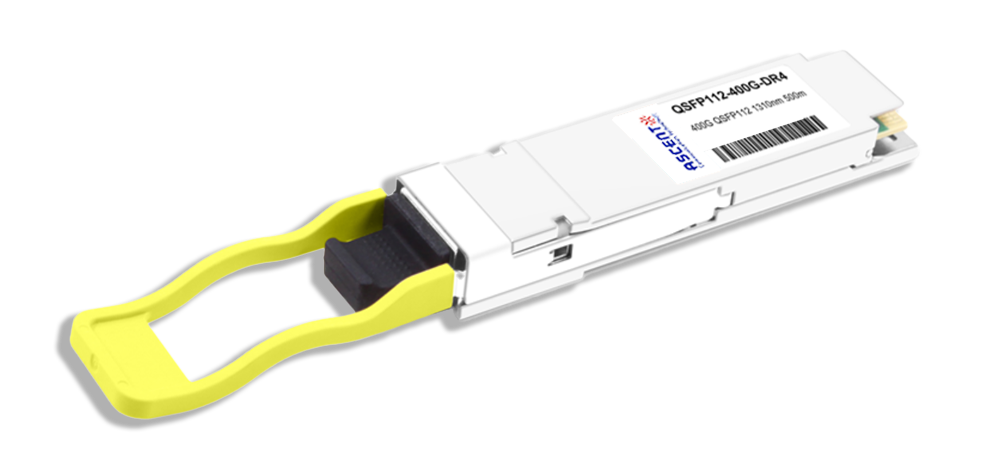
400G QSFP112 DR4 1310 nm 500 m
400G QSFP112 DR4 1310 nm Transceiver 500m
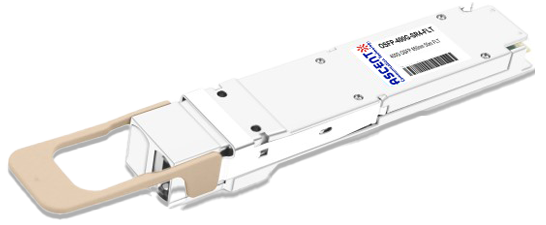
400G OSFP SR4 FLT 50m Transceiver
400 Gbps Multi-Mode 50m OSFP Transceiver
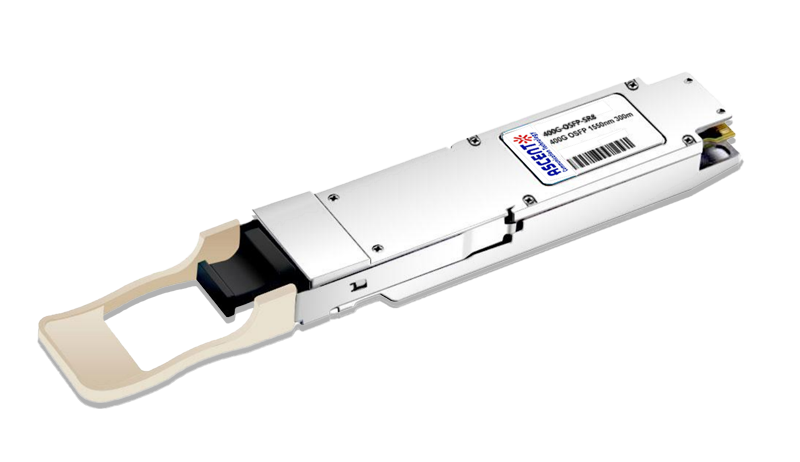
400G OSFP SR8 100m Transceiver
400 Gbps PSM8 Multi-Mode 100m OSFP Transceiver
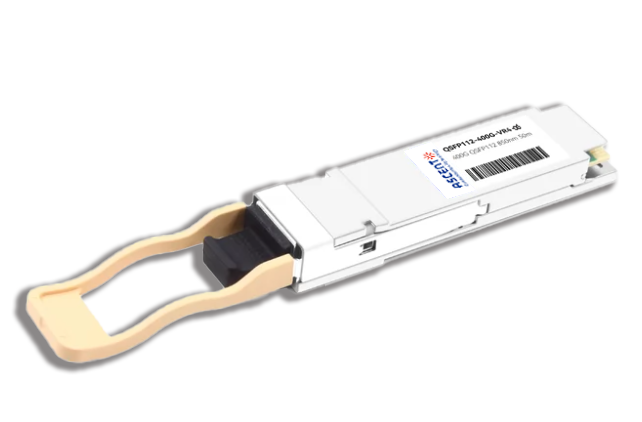
400G QSFP112 VR4 Transceiver
400G QSFP112 VR4
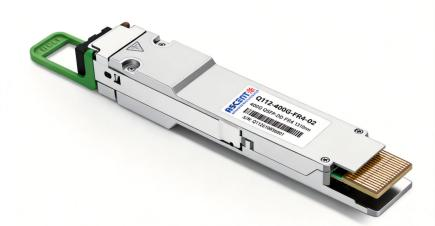
400G QSFP 112 FR4 2km Transceiver
Q112-400G-FR4-02
White Paper
Press Releases
Briefings 1
Briefings 2
Videos, etc.
QRG
Manual1
Manual2
Get in touch with our experts
Feedback